
Neighborhood Guide
Ballard.
A maritime town that joined the city but never quite surrendered — a brick avenue, working docks, and blocks of bungalows.
The Portrait
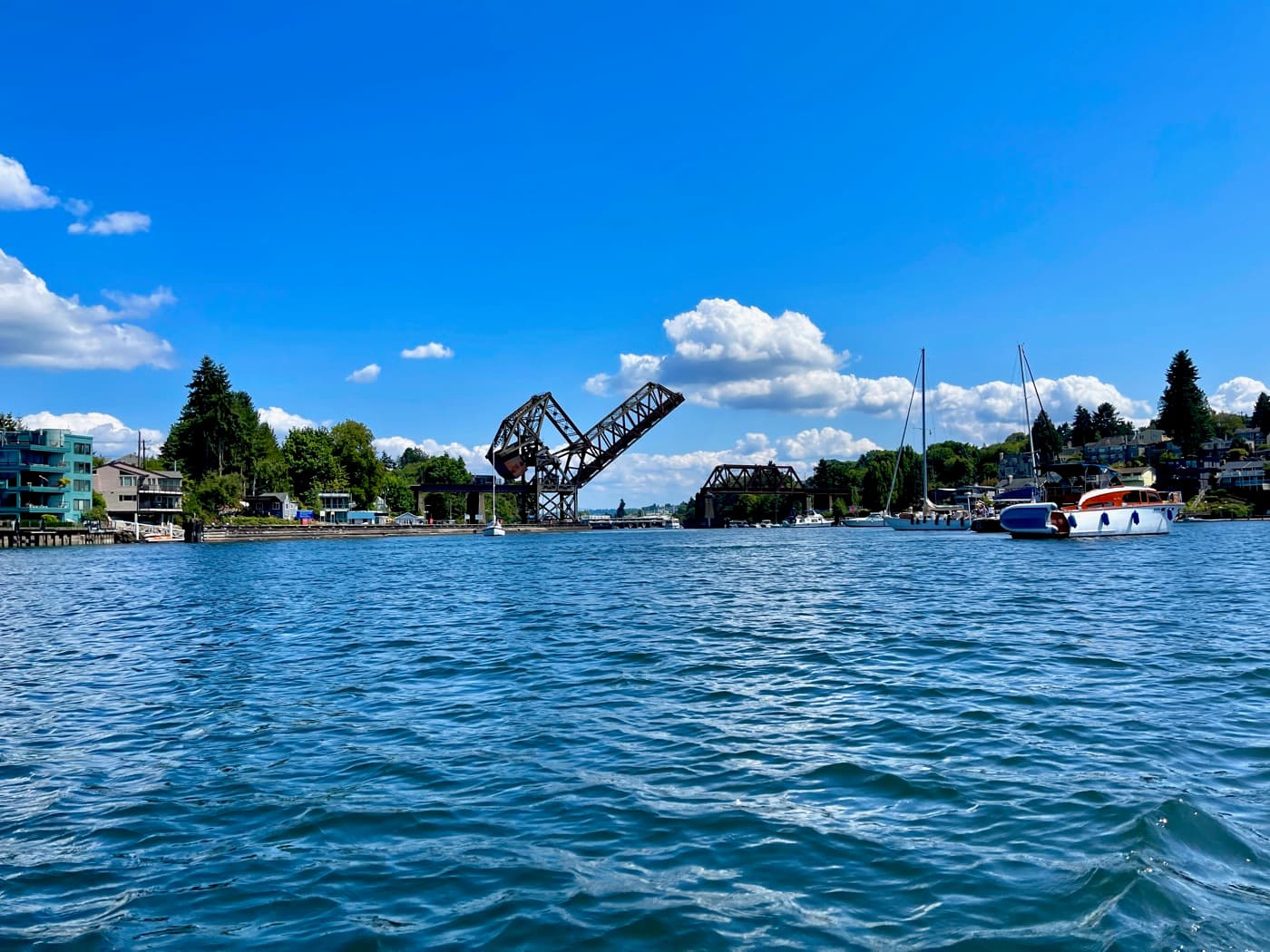
Ballard was its own city until 1907, and it still acts like one. Ballard Avenue's brick storefronts — a landmark district, and home of the year-round Sunday farmers market — anchor a downtown that never needed reinventing, just new tenants. At the Hiram M. Chittenden Locks, boats step between Salmon Bay and the Sound while salmon climb the fish ladder; Shilshole's masts and the beach fires at Golden Gardens close out the western edge.
Walk north from the avenue and old Ballard reasserts itself: block after block of bungalows on straight, flat streets, gardens out front, alleys behind. Sunset Hill lifts the west edge for water views, and the brewery district fills the old industrial seam along the ship canal — a dozen taprooms within walking distance of one another — while 24th and Market carry the everyday errands.
The housing stock
What Ballard is built of.
Bungalow bones, with a modern layer of townhomes filling in along the arterials.
Craftsman
1905 – 1930Ballard's signature: flat streets of porch-and-gable bungalows, many with their original fir floors and box beams.
Tudor & Cottage
1920s – 1940sBrick cottages and gabled Tudors scattered through Sunset Hill and Loyal Heights.
Contemporary
2000 – todayTownhomes and low-rise condos along the arterials and around the old downtown, threaded between the blocks of original workers' cottages.
Ballard kept its bones — the brick avenue, the boats, the bungalows — and grew a new city around them without losing the plot.
More neighborhoods
Begin
Curious about Ballard? Start with a conversation.
Two decades of walking these blocks — Brian can tell you what the listings won't.